

In the land of ancient wonders, Egypt’s Nile River weaves through history. It offers travelers a unique and enchanting journey aboard Nile cruises. These cruises aren’t just about luxurious cabins and breathtaking scenery; they also provide a portal into the heart of Egyptian culture. Understanding the significance of Nile cruise etiquette is pivotal for a rewarding and respectful travel experience.
In this comprehensive guide, we’ll navigate the intricate waters of Egyptian customs. We offer valuable insights to ensure your Nile cruise is a memorable and culturally sensitive adventure. We’ll delve into topics ranging from appropriate attire and behavior onboard and off to essential communication and safety tips. This will prepare you for an incredible journey while respecting local traditions and customs.
So, let’s set sail on the Nile, where the past meets the present. Let’s ensure your voyage is filled with wonder, respect, and unforgettable memories.
The Significance of Nile Cruise Etiquette
Understanding the Cultural and Historical Context
To truly appreciate the Nile cruise experience, it’s essential to grasp the surrounding cultural and historical context. Egypt’s history is a treasure trove of pharaohs, pyramids, and ancient mysteries. Nile cruises often take you to some of the most iconic historical sites in the world, such as the temples of Luxor and the Valley of the Kings. These sites are not just tourist attractions. They are sacred places deeply rooted in the country’s heritage.
Understanding the significance of these sites, the beliefs of the people, and the monuments’ historical role will enhance your journey. It’s akin to reading the chapters of a living history book. Your etiquette should reflect your reverence for this captivating narrative.
How Etiquette Impacts Your Travel Experience
Nile cruise etiquette isn’t just a set of arbitrary rules; it’s the key to unlocking a more fulfilling and enjoyable travel experience. Proper etiquette can significantly impact how locals receive you and the level of service you receive on the cruise.
By respecting cultural norms and traditions, you ensure a smoother journey while gaining a deeper understanding of the Egyptian way of life.
Whether engaging in polite conversation with locals or knowing how to dress appropriately, practicing good etiquette opens doors. It leads to meaningful interactions and a richer travel experience.
Respect for Local Customs and Traditions
Egypt has a rich tapestry of customs and traditions passed down through generations. The way you conduct yourself during your Nile cruise reflects your respect for these customs—or an unintentional disregard for them. By familiarizing yourself with local ways of greeting, dressing, and dining, you show cultural respect and prevent unintentional misunderstandings.
Your journey should bridge your world and Egypt’s. Here, mutual respect and understanding lead to meaningful cultural exchange. In essence, Nile cruise etiquette is about being a considerate and informed traveler. It ensures your presence is a positive addition to this ancient and vibrant tapestry of life along the Nile.
Dress Code and Attire
Appropriate Clothing for Onboard and Off-Board Activities
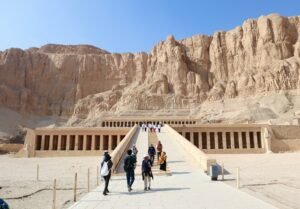
When embarking on a Nile cruise in Egypt, having the right attire can make a difference. For onboard activities, like dining or relaxing on deck, casual and comfortable clothing is perfectly acceptable. However, when it comes to off-board excursions to historical sites and temples, a more modest and respectful dress code is crucial.
It’s important to cover your shoulders, chest, and knees in these places. This serves as a sign of respect for their cultural and religious significance. Many tourists opt for lightweight, long-sleeved shirts and maxi skirts or trousers. These meet the dress code while helping protect you from the sun. Don’t forget a wide-brimmed hat, sunglasses, and comfortable walking shoes for those excursions.
Tips for Dressing Modestly and Respectfully
Respecting local customs and traditions is key when dressing in Egypt. While the country is open to tourists, it’s essential to be mindful of conservative local values. On the cruise ship, casual and comfortable clothing is perfectly fine. But when you venture off to explore the wonders of Egypt, remember that dressing modestly is a sign of respect.
This means avoiding clothing that is too revealing, like tank tops or short shorts. Instead, choose attire that covers your shoulders, chest, and knees. By doing so, you show appreciation for the local culture. You also ensure that you can visit religious and historical sites without any issues.
Preparing for Varying Weather Conditions

Egypt’s weather can be as diverse as its landscape. Depending on when you visit, you may encounter hot, dry summers or milder temperatures during winter. Being prepared for these varying weather conditions is essential for a comfortable journey. If you’re traveling during the summer, lightweight and breathable clothing is your best friend. Don’t forget sunscreen, a sun hat, and sunglasses to protect yourself from the intense sun.
For those visiting during the winter, it can get cooler in the evenings. Therefore, it’s a good idea to pack some layers. A light jacket or shawl can be useful, especially during sunset cruises. Being mindful of the weather and dressing accordingly ensures that you can fully enjoy your Nile cruise, no matter the season.
Communication and Language
Basic Arabic Phrases and Polite Expressions

While English is commonly spoken in Egypt’s tourist areas, making an effort to learn basic Arabic phrases helps immensely. Polite expressions go a long way in enhancing your travel experience. Simple greetings like “hello” (مرحباً – marhaban) and “thank you” (شكرًا – shukran) are appreciated. They can bring a smile to the faces of locals.
If you’re feeling adventurous, you can try a few more phrases like “please” (من فضلك – min fadlik) and “yes” (نعم – na’am). Egyptians are incredibly friendly. Even a modest attempt to speak their language is often met with warmth and gratitude. Don’t worry if your pronunciation isn’t perfect; the effort is what matters most.
Non-verbal communication and Body Language
Communication isn’t limited to words; non-verbal cues and body language play a significant role in Egyptian interactions. Maintaining eye contact is a sign of attentiveness and respect. Crossing your legs at the ankle is also considered polite. Remember to use your right hand for most gestures and exchanges. The left hand is traditionally associated with tasks considered unclean.
When taking photos of people, it’s courteous to ask for permission with a friendly smile and a nod. These small gestures make a big difference in connecting with locals and the cruise crew.
Communicating with the Cruise Staff and Locals
While English is widely spoken on Nile cruise ships, knowing how to communicate effectively enhances your experience. Politeness and patience are universal, so always approach interactions with a friendly demeanor. If you have specific requests or questions, don’t hesitate to ask the cruise staff. They are there to make your journey comfortable.
If you’re exploring local markets or neighborhoods, a few Arabic phrases can be handy, but using English is perfectly fine. Egyptians are known for their hospitality. A willingness to engage and interact with locals leads to memorable encounters and a deeper cultural appreciation. Whether through words or gestures, effective communication bridges understanding and connection along the Nile.
Social and Cultural Customs
Understanding Social Norms in Egypt

Egypt is a country with a rich tapestry of social and cultural customs. Understanding these norms is a key part of being a considerate traveler. It’s common for Egyptians to be warm and friendly. They often engage in small talk and offer assistance. You’ll frequently hear people saying “Welcome!” or “Ahlan!” as a gesture of hospitality. It’s important to reciprocate these warm greetings with a smile and a polite response.
When in a conversation, being respectful and listening attentively is greatly appreciated. Remember that Egypt is a predominantly Muslim country, and the call to prayer is observed five times a day. It’s customary for businesses to pause during these times, so plan your activities accordingly.
Greetings, Gestures, and Conversation Topics to Avoid
While greetings are important, there are some gestures and conversation topics to be mindful of. Public displays of affection are generally considered inappropriate, so keep those moments private. Avoid pointing the soles of your feet at people or religious objects, as it’s seen as disrespectful.
Also, refrain from discussing sensitive topics like politics and religion, as these subjects can be highly polarizing. When it comes to photography, always ask for permission before taking pictures of locals, especially in rural areas. Respecting these guidelines ensures a smoother and more harmonious experience during your Nile cruise.
Participation in Local Customs and Celebrations
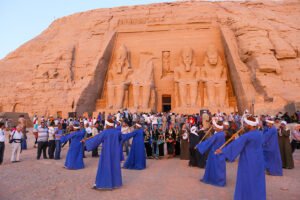
One of the joys of travel is participating in local customs and celebrations, and Egypt offers numerous opportunities to do so. If you’re invited to an Egyptian home, it’s customary to bring a small gift like sweets or flowers. Experiencing local festivities, such as weddings or religious celebrations, can be incredibly enriching.
If you find yourself in such a situation, dress modestly and observe the customs of the event. Egyptians are known for their warm hospitality. By participating in their traditions, you’ll create lasting memories and connections. Keep an open heart and a respectful attitude, and you’ll find that Egypt’s customs truly enhance your cruise adventure.
Conclusion
In this journey along the storied Nile River, understanding the basics of Nile cruise etiquette is essential for a smooth experience. We’ve covered various aspects of conducting oneself respectfully while cruising on the Nile. This ranges from dressing modestly when exploring temples to being punctual for excursions and meals.
Remember to greet locals with a warm smile and embrace Egypt’s rich culture and history. It’s all about appreciating the beauty of the Nile while respecting the people and places you encounter.
Respectful travel is the cornerstone of creating positive and memorable experiences, both for yourself and the communities you visit. Whether embarking on a Nile cruise or exploring any global destination, being mindful of local customs is paramount. It allows you to connect more deeply, fostering understanding and appreciation.
Moreover, respectful travel helps preserve environmental and cultural heritage. This ensures that future generations can enjoy the world’s wonders. As you embark on your next adventure, carry the principles of respect with you. You’ll find that travel becomes a transformative and enriching experience for all involved.
Read more related articles: